

Zepbound Side Effects: Common Reactions and How to Manage Them
Learn about Zepbound side effects, common symptoms, and how to manage them safely for effective weight management and better results.
image for illustrative purpose
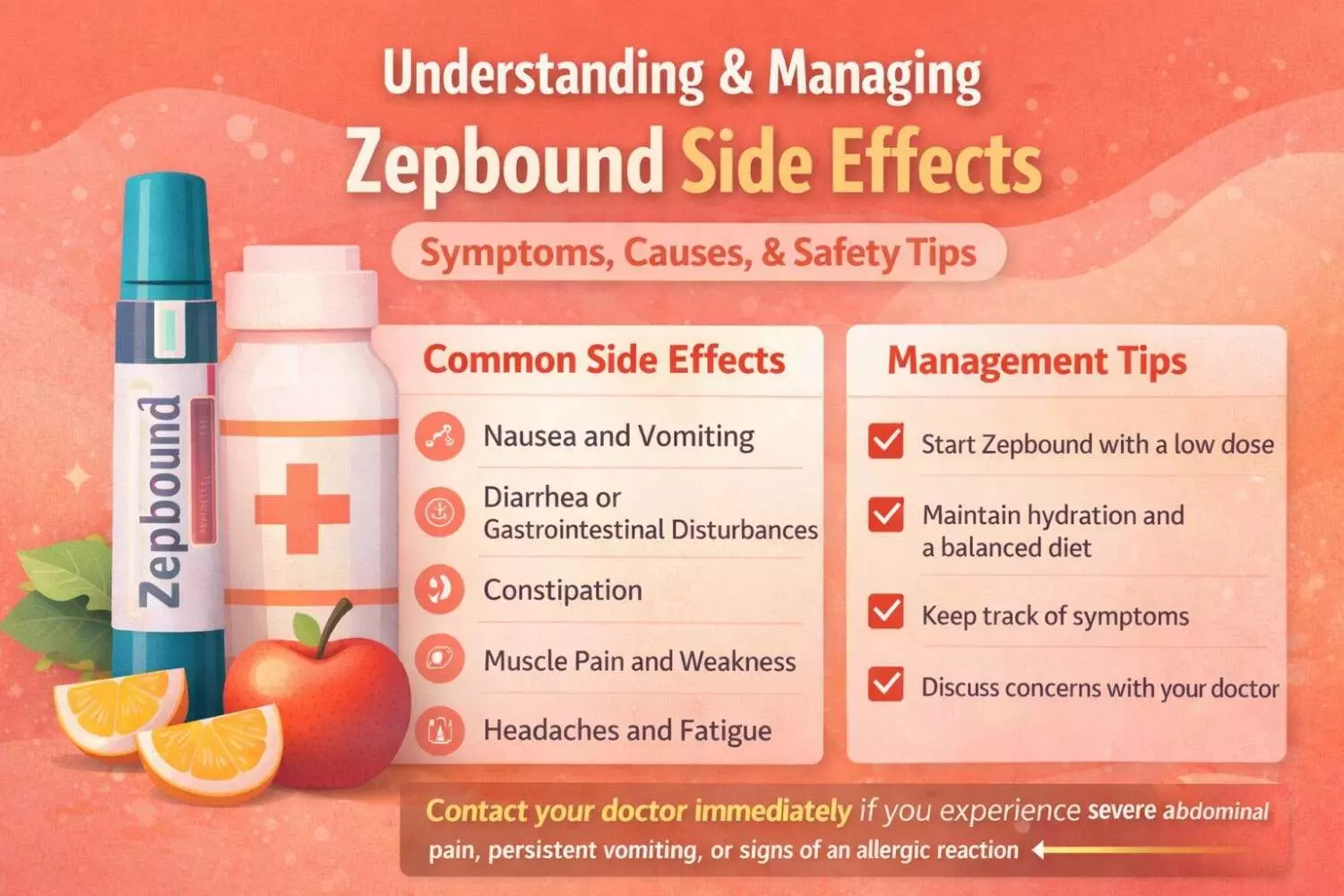
Zepbound is increasingly gaining attention in the wellness and medical community for its effectiveness in weight management and other health applications. However, like many medications or supplements, it can cause side effects in some users. Understanding potential reactions and knowing how to manage them is crucial for anyone considering or currently using Zepbound.
This guide explores the most common Zepbound side effects, their underlying causes, and practical strategies to minimize discomfort while using the product safely.
What is Zepbound?
Before diving into side effects, it’s essential to understand what Zepbound is and how it works. Zepbound is a therapeutic option commonly used for weight management and appetite control. It functions as a GLP-1 receptor agonist, which helps regulate blood sugar levels, appetite, and metabolism. While it can be highly effective for weight management, its mechanism may also lead to some unwanted reactions in certain individuals.
Being informed about these potential reactions helps users set realistic expectations and respond appropriately if they occur.
Common Zepbound Side Effects
While not everyone experiences side effects, it is important to be aware of the most frequently reported ones. These include:
1. Nausea and Vomiting
Nausea is one of the most common side effects of Zepbound. Users may experience mild to moderate discomfort, especially when starting the treatment. Vomiting can occasionally accompany nausea but is typically short-lived.
Management Tips:
Take Zepbound with a small meal to reduce stomach irritation.
Avoid fatty or heavily processed foods during the initial stages of treatment.
Staying hydrated can help mitigate nausea and maintain comfort.
2. Diarrhea or Gastrointestinal Disturbances
Some users report diarrhea, bloating, or abdominal discomfort while using Zepbound. These gastrointestinal side effects usually occur as the body adjusts to the medication and may subside over time.
Management Tips:
Introduce fiber gradually into your diet to prevent sudden digestive upset.
Eat smaller, more frequent meals rather than large portions.
Avoid excessive caffeine or spicy foods, which can aggravate the digestive system.
3. Constipation
While some experience diarrhea, others may face constipation. This variation depends on individual metabolism and diet. Ensuring adequate hydration and incorporating fiber-rich foods can alleviate this side effect.
Management Tips:
Drink at least 8–10 glasses of water daily.
Incorporate high-fiber foods like fruits, vegetables, and whole grains.
Regular physical activity can stimulate digestion and reduce constipation.
4. Muscle Pain and Weakness
Muscle discomfort or mild weakness has been reported in certain Zepbound users. This may be related to changes in diet, metabolism, or electrolyte balance as the body adapts to the medication.
Management Tips:
Gentle stretching and low-impact exercises can relieve muscle tension.
Ensure adequate protein intake to support muscle health.
Monitor electrolyte levels, especially if experiencing gastrointestinal side effects.
5. Headaches and Fatigue
Some individuals may experience headaches, fatigue, or lightheadedness while on Zepbound. These symptoms often coincide with initial adjustments to appetite suppression and blood sugar regulation.
Management Tips:
Maintain a regular sleep schedule to combat fatigue.
Stay hydrated and avoid skipping meals to prevent headaches.
Moderate exercise can boost energy levels and improve circulation.
6. Injection Site Reactions
For users receiving Zepbound via injection, mild redness, swelling, or irritation at the injection site is common. These reactions are typically temporary and resolve on their own.
Management Tips:
Rotate injection sites to reduce irritation.
Use proper injection techniques and ensure the area is clean.
Applying a cold compress can relieve discomfort if swelling occurs.
Less Common but Serious Side Effects
Although rare, more serious side effects may occur. Users should be vigilant and consult a healthcare provider immediately if they experience:
Persistent or severe abdominal pain
Signs of pancreatitis, such as intense upper abdominal pain or nausea
Unexplained shortness of breath or chest discomfort
Severe allergic reactions, including rash, itching, or swelling of the face or throat
Monitoring for these symptoms ensures timely medical intervention and helps avoid complications.
How to Minimize Zepbound Side Effects
While side effects can be concerning, several strategies help users minimize discomfort while using Zepbound effectively:
1. Start with a Low Dose
Many healthcare providers recommend starting with a lower dose and gradually increasing it. This approach allows the body to adjust to the medication and reduces the likelihood of severe gastrointestinal or metabolic side effects.
2. Follow Dietary Recommendations
Since Zepbound affects appetite and digestion, maintaining a balanced diet is critical. Focus on:
Lean proteins, vegetables, and whole grains
Smaller, frequent meals rather than large portions
Avoiding excessive sugar, processed foods, and high-fat meals
3. Hydrate Adequately
Hydration is key to managing gastrointestinal and metabolic side effects. Drinking enough water helps reduce nausea, constipation, and fatigue.
4. Monitor Your Body
Keeping a symptom diary can help identify patterns or triggers for side effects. Documenting when symptoms occur, what was eaten, and physical activity levels can help healthcare providers adjust treatment if necessary.
5. Communicate with Your Healthcare Provider
Open communication with your doctor is essential. They can provide guidance on dose adjustments, recommend supplements or dietary modifications, and monitor for more serious reactions.
When to Seek Medical Advice
While most side effects are mild and manageable, it’s crucial to seek professional advice if symptoms persist, worsen, or interfere with daily life. Immediate medical attention is necessary for:
Severe abdominal pain or suspected pancreatitis
Signs of an allergic reaction
Persistent vomiting or dehydration
Unexpected fatigue or dizziness that affects daily functioning
Prompt intervention ensures safety and prevents complications.
Understanding Individual Variability
It’s important to remember that not everyone experiences side effects in the same way. Factors such as age, weight, pre-existing conditions, diet, and lifestyle can influence how a person responds to Zepbound. Being aware of potential side effects and how to manage them empowers users to take control of their health and make informed decisions.
The Bottom Line
Zepbound can be an effective tool for weight management and overall wellness, but awareness of potential Zepbound side effects is critical. Most side effects, such as nausea, digestive disturbances, or mild muscle pain, are temporary and manageable with proper strategies. By starting with a low dose, following dietary recommendations, staying hydrated, and maintaining open communication with healthcare providers, users can maximize benefits while minimizing discomfort.
For a detailed guide on managing side effects and optimizing the use of Zepbound, check out this resource for practical tips and advice. Being informed and proactive is the key to safely achieving health goals while using Zepbound.





